Surviving the Cold: Homelessness in Vermont During the Winter Months

As winter blankets Vermont in snow and freezing temperatures, many of us enjoy cozy homes, warm meals, and the comfort of family. For too many individuals and families experiencing homelessness, however, the winter months present life-threatening challenges.

The Reality of Winter Homelessness

Vermont winters are harsh. Temperatures can plummet well below zero, and wind chills can make conditions extremely dangerous. For people without stable housing, exposure to these elements is not just uncomfortable—it can be deadly. Prolonged exposure increases the risk of hypothermia, frostbite, and other cold-related illnesses.

In addition to the weather, winter brings challenges such as limited public transportation, fewer outdoor resources, and increased isolation. Individuals experiencing homelessness often have to navigate these obstacles while managing health issues, mental health concerns, and limited access to food and shelter.

BCCH and the Extreme Cold Weather Shelter Program

We are proud to announce that BCCH has been selected as the grand award recipient for Bennington County under Vermont’s Extreme Cold Weather Shelter Program (ECWSP). Administered by Vermont Interfaith Action (VIA), this grant supports the operation of an emergency cold-weather shelter from December 1, 2025, through April 1, 2026, covering start-up, operational, and related expenses specifically for the ECWSP program.

  • Mandatory Activation: When temperatures, including wind chill, are forecasted to be -10°F or lower for four or more consecutive hours, the shelter automatically opens to provide a safe, warm environment for those experiencing homelessness.

  • Optional Activation: The State of Vermont and VIA regularly review weather conditions and available resources. Each month, they notify BCCH if there is an option to open the shelter when temperatures are warmer than the mandatory threshold. If resources are sufficient, BCCH may choose to open the shelter on days when the National Weather Service forecasts temperatures above -10°F but at or below 0°F, including wind chill.

BCCH can only use this optional activation if there is enough financial and operational capacity—including the 20-night cap—to still operate safely during mandatory activations throughout the ECWSP operational period. Before opening under optional conditions, the shelter ensures that doing so will not deplete resources or interfere with its ability to safely operate during extreme cold.

This funding allows BCCH to provide additional nights of safe, warm, and supportive environments during the coldest months, helping to protect vulnerable individuals and families from the dangers of winter exposure.

Community Support Makes a Difference

Winter homelessness is a community issue. It requires the support of local organizations, volunteers, and donors to ensure shelters remain operational, outreach efforts are effective, and individuals have access to essential resources. Generous contributions—from food, clothing, and gifts to financial support—help sustain these programs and improve the lives of those experiencing homelessness.

At BCCH, we are deeply grateful to our community partners and donors, whose support allows us to expand outreach, provide emergency services, and ensure that those in need are not left out in the cold.

Get Involved

While homelessness is a complex issue that requires long-term solutions, winter programs and community support provide immediate relief and safety. By working together, Vermont can ensure that no one faces the harsh winter alone.

To learn more about the ECWSP program, outreach services, or to get involved with BCCH’s winter outreach efforts, please contact BCCH Executive Director of Communication and Outreach Services, Karissa Myers.

To learn more about year-round shelter operations and shelter programs, please contact BCCH Executive Director of Operational Development and Shelter Services, Roxanne Carelli.

Thank You to Our Community Partners

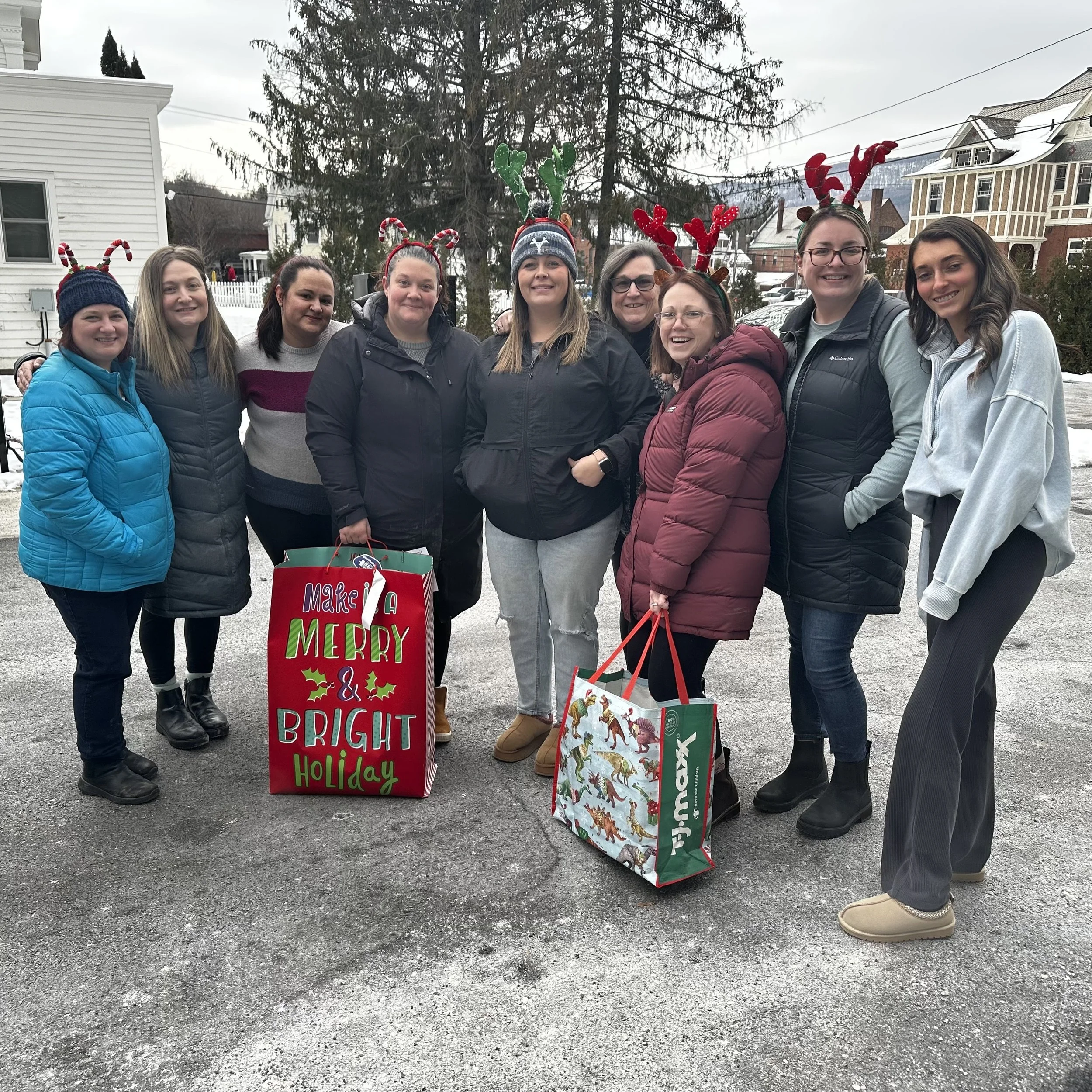
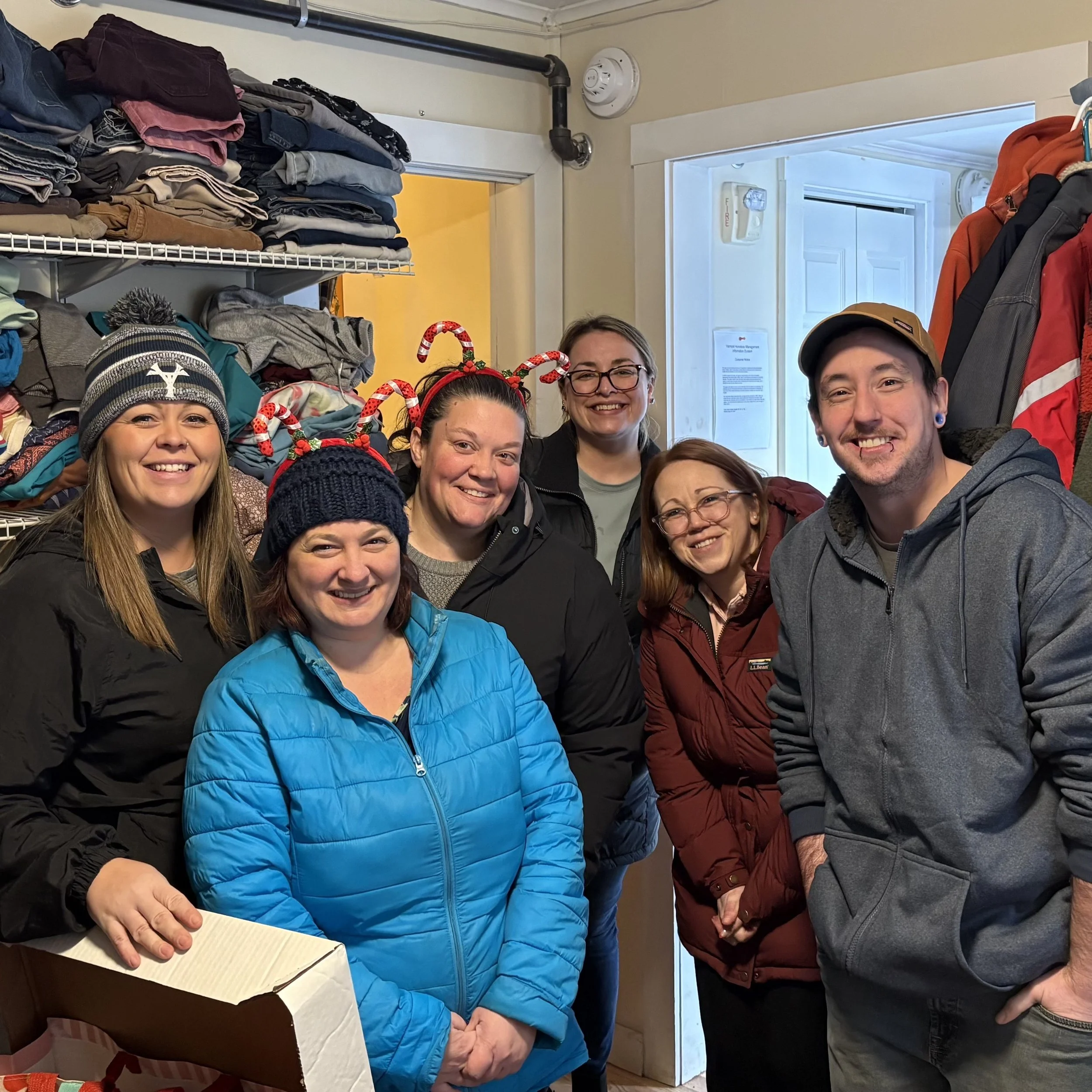
This week, Bennington County Coalition for the Homeless was humbled by the generosity of our community partners who stepped up to support our guests during this season.

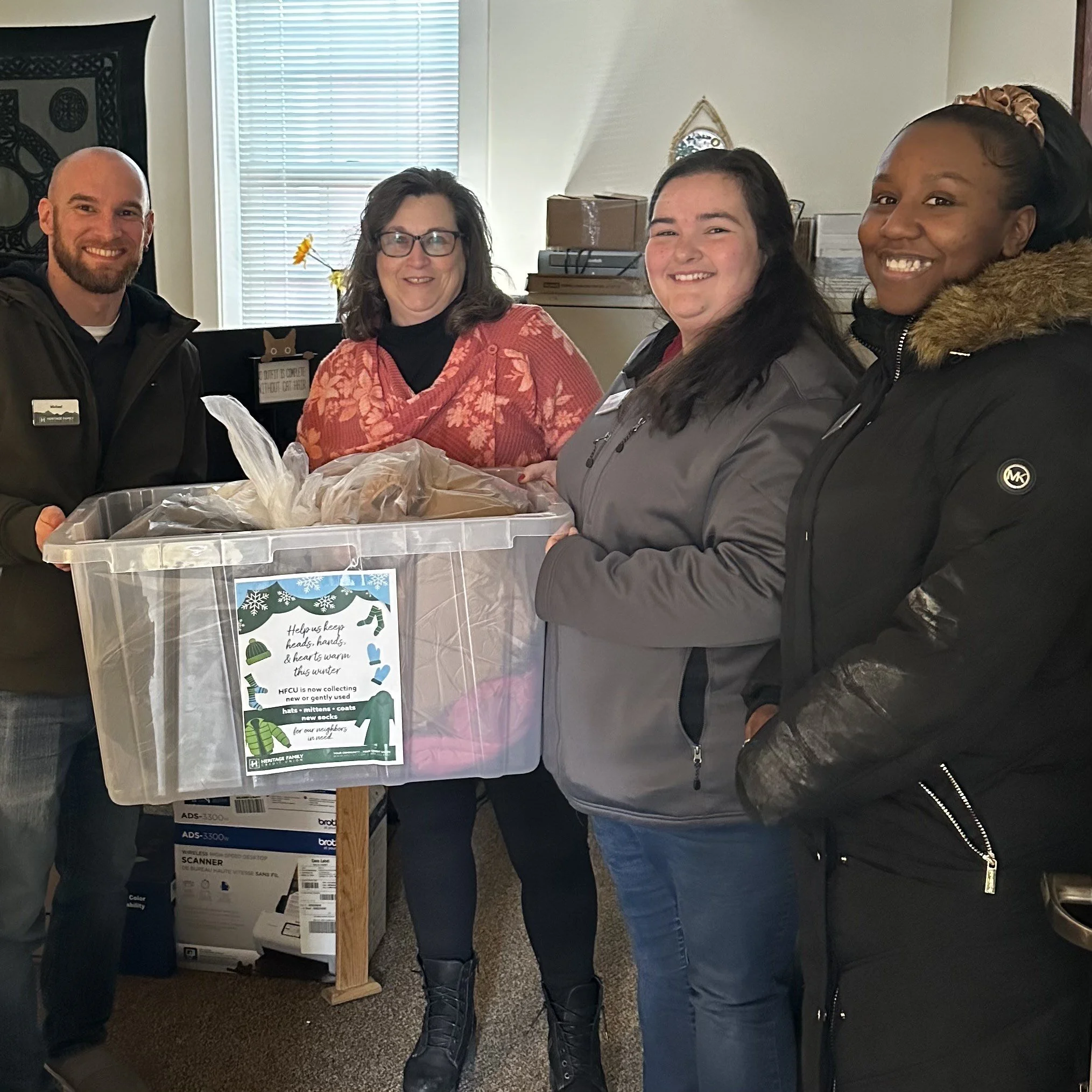
Because of the kindness of CRJ, Southwestern Vermont Medical Center (SVMC), and Heritage Family Credit Union, our guests at both the Norton Family Shelter and the 966 Main Street Adult Shelter received thoughtful food donations and gifts that brought comfort, nourishment, and a sense of care to our spaces.

These contributions do more than meet immediate needs—they remind our guests that they are seen, valued, and supported by the broader community. Acts of generosity like these help create moments of connection and dignity during what can be an especially challenging time of year.

We are deeply grateful to CRJ, SVMC, and Heritage Family Credit Union for their continued partnership and commitment to supporting our neighbors experiencing homelessness. Your generosity truly makes a difference.

On behalf of our guests, staff, and organization—thank you for standing with us and helping strengthen our community.

Honoring the Generosity of Our Donors

We are thrilled to announce that G. Richard Dundas has made a generous donation of $100,000 to support capital repairs and emergency funds for our shelter locations.

This extraordinary gift will directly enhance the safety, comfort, and functionality of our shelters, ensuring that every individual we serve has access to a safe, functional, and welcoming environment. The funds will be allocated to essential maintenance and upgrades, including structural repairs, accessibility improvements, and facility enhancements that support both guests and staff.

Dr. Dundas’s commitment to our mission is deeply appreciated. His generosity reflects a shared belief in the importance of providing safe, stable spaces for individuals experiencing homelessness and strengthens our capacity to serve our community effectively.

Please join us in expressing our sincere gratitude to Dr. Dundas for his impactful support.

If you would like to learn more about supporting our mission or ways to contribute, we would be happy to share opportunities to get involved - Contact Karissa Myers, Executive Director of Communications and Outreach Services at 413-672-2902 or by email @ karissa.myers@bcchvt.org

SockTober Success!

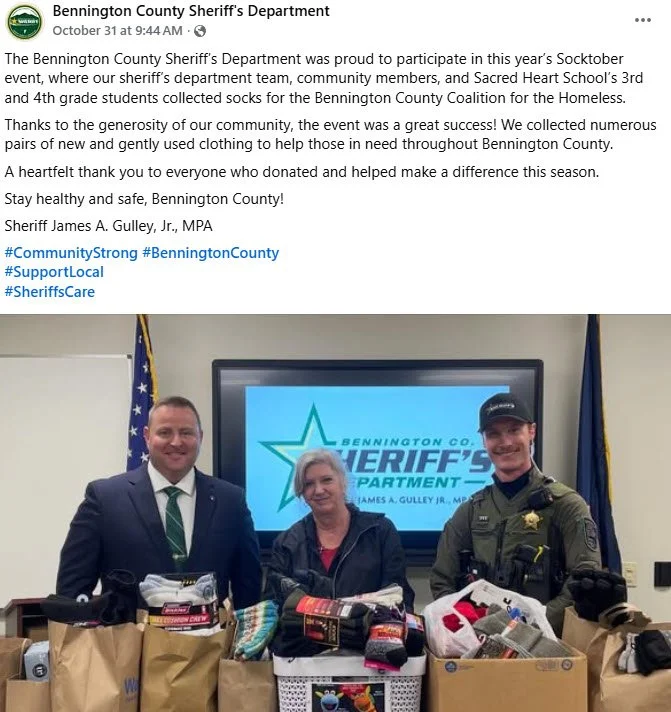
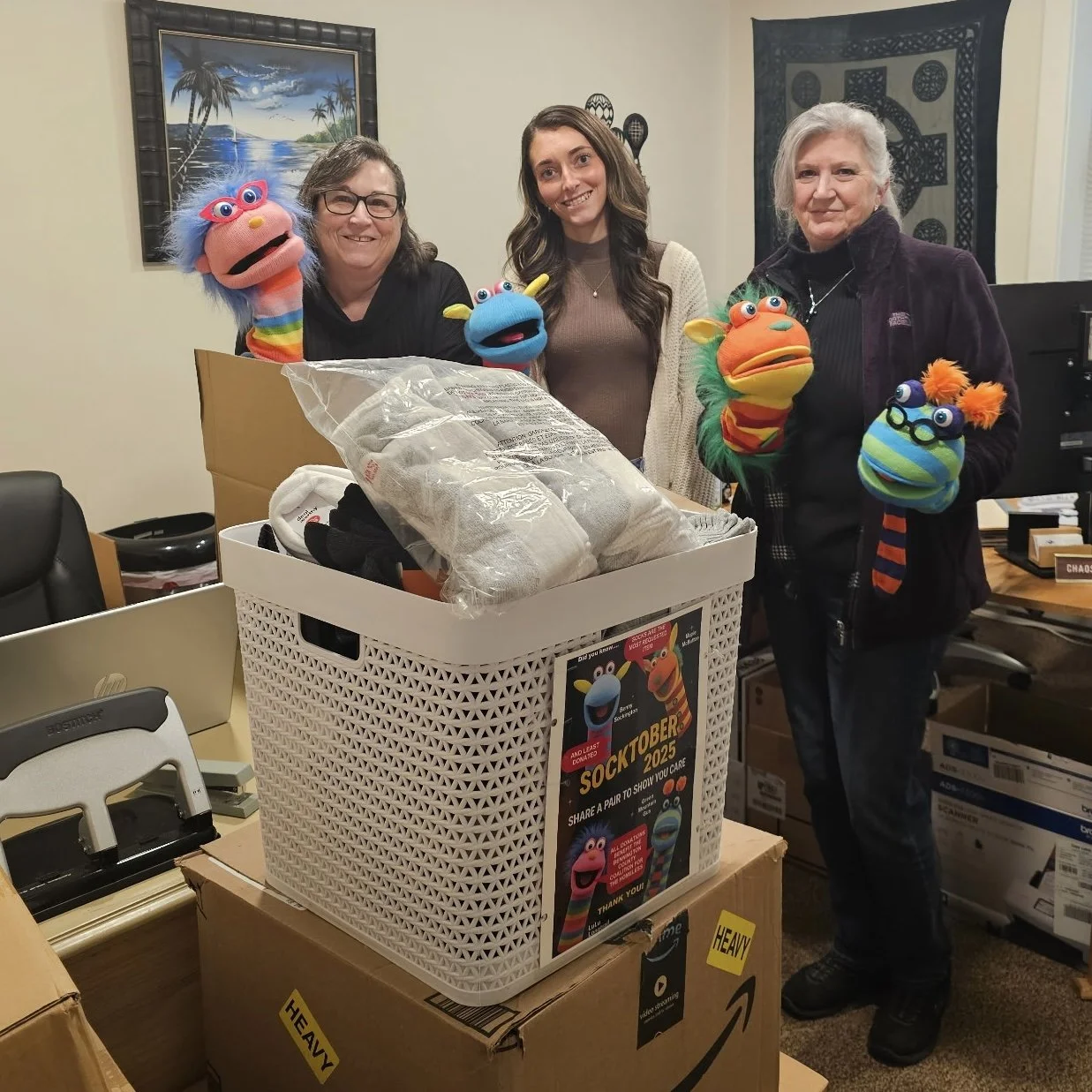
The Bennington County Coalition for the Homeless (BCCH) extends heartfelt thanks to everyone who made the fifth annual Socktober campaign another incredible success.

Led by Kelly Carroll volunteers, businesses and organizations across Bennington County collected over 5,000 pairs of socks, along with gloves, hats, scarves, blankets, and other cold-weather essentials, all delivered to BCCH shelters and its Outreach Team. In five years, the campaign has gathered almost 14,000 pairs of socks — a true testament to the community’s compassion.

BCCH is especially grateful to Socktober’s organizers and volunteers, local law enforcement partners, students and youth groups, businesses and organizations that hosted collection sites and spread the word.

Every pair of socks represents an act of kindness. Together, we’re helping keep our neighbors warm and hopeful through the cold months ahead. 

BCCH has begun distributing these warm weather essentials to other community partners that work alongside our most vulnerable population and will do so until all of this generosity has been shared.

Socktober continues to prove that simple acts of generosity can make a lasting impact — one pair of warm socks at a time. With every pair of socks, we’re not just warming feet — we’re strengthening the fabric of our community.  

Together, you have shown that when our community comes together, compassion truly keeps Bennington County warm.  

With Sincerest Gratitude!

All of us at Bennington County Coalition for the Homeless

Fall Fundraiser!

At BCCH, our mission is simple yet powerful — to provide safety, dignity, and hope to individuals and families experiencing homelessness. We’re excited to announce the launch of our Fall Fundraising Campaign, and we hope you’ll join us in making it a success!

This season, we’ve partnered with Little Caesars to offer convenient at-home pizza kits — a fun and delicious way to support a great cause. Every purchase makes a real difference: from providing warm blankets on cold nights to helping individuals secure stable housing and employment.

To reach our goal, we need everyone’s help. Each item sold earns $6 in profit for the shelter, directly fueling our mission and the services we provide.

Thank you for your continued support and for being part of our community of care.

To get started follow this link: 


https://fundraising.littlecaesars.com/products?support=5391722e-2f94-4c99-9775-e44e2ffea6e0

Kickstart Fundraiser Campaign!

I wanted to share that our fundraising season for BCCH is about to begin, starting with our Little Caesar’s campaign—yum! This is a wonderful opportunity to support our shelter and programs, and we’d love your help in spreading the word.

Please share this fundraiser with your friends, family, and anyone who might be interested in contributing. I’ll be sending out the fundraising links, QR codes, and other materials tomorrow. I’ll also be posting updates on our Facebook page and website to help promote the campaign, so please share those posts as well.

____________________________________________________________

COMING SOON!

Deliciousness is on its way! We are running a fundraiser from October 9th - November 8th, to raise money for Bennington County Coalition for the Homeless. We need your help to make this happen. Stay tuned on how you can join in on the fun! 

Just Getting By

Join Bennington County Coalition for the HomelessSunrise Family Resource CenterTurning Point Recovery Center of Bennington, and United Counseling Service for a screening of Vermont filmmaker Bess O’Brien’s film, Just Getting By, followed by a Q & A discussion with Bess O’Brien.

The event will take place on Wednesday, June 5 at Bennington Theater. Doors will open at 6pm for light refreshments and the screening starts at 7pm. Attendees will be able to enter for a chance to win one of four $100 Walmart gift cards.

Image courtesy of Kingdom County Productions

Homeless Awareness Day

Tomorrow, Thursday, January 18, 2004, all across Vermont we will come together for Homelessness Awareness Day to bear witness to the tragedy and continued struggle that is homelessness. 

On any given day in Vermont more than 2,000 households are homeless. 

In 2023, almost 8,000 Vermonters experienced homelessness including 2,000 children.

In Bennington County, over the past year, we have supported 863 people experiencing homelessness. This includes 296 children (17 years of age and younger), 39 people over the age of 65, and 16 United States Veterans. 

Tomorrow (1/18/24) at 5pm we will gather in downtown Bennington with flags that will represent these numbers, but more importantly, these flags will each represent a person, one of our very own, that has, or still is facing homelessness in our county, many right here in this town. We know them by face and name. We know their stories, and we have felt their fear, their sadness, their shame.  Please remember, these numbers reflect those that we have supported over the past year, some thankfully have been housed, but sadly others have not even been counted yet. 

Homelessness is not acceptable. It is a crisis; it is a tragedy; and it's preventable.  Homelessness is complex. Those who experience homelessness suffer; they feel shame and stigma; they are deprived, stressed, and scared. Many face challenges of access to food and clothing; many suffer from chronic illnesses.  These chronic illnesses do include mental health conditions and substance use disorders, but not all - Stereotyping must end! These individuals are overwhelmed and vulnerable. They are also kind, grateful, funny, smart, gracious, hopeful, and brave. The solutions to homelessness are complex as well, but they all start with a home – a place in the world to feel safe, to sleep, to have food, and to be warm. Housing is a basic human need, and we believe that housing should be a human right and accessible to all.

Tomorrow, and throughout the months of December and January, communities around the state also have held or will hold to pause and remember those who have died while experiencing homelessness. Over the last year, more than 50 people died while experiencing homelessness. Let’s not let our grief be for not. In this moment let us come together with a vow that we will only rise from here. Let’s honor those that we have lost by working for change. We know solutions and we have conviction. Let’s all join each other and do the work that’s needed to end this!!!!

In the last year across Vermont, almost 2,000 households were able to exit homelessness and move into permanent stable housing including 1,000 who were able to access subsidies that supported rental costs.  That does not end our work.  We need to continue to assist these households with on-going support so that they are successful, and do not live in fear of becoming homeless again.

This is no small feat, and there are many people that work every day with passion and dedication to support the truly lifesaving programs that offer shelter and food and administer financial assistance to move people into stable housing. 

Our work is not done. There are so many people that need us to come together now with strong support and solutions. Housing is a basic human need. It is dignity. It is health care. It saves lives, and it is deserved by all. 

To describe the data used for the flags:  These numbers represent the number of persons who experienced homelessness in our region between January 1, 2023 and December 31, 2023.  These numbers are pulled from our Homelessness Management Information System and Coordinated Entry list. The numbers are a baseline and are always an undercount as they do not include many individuals including those served and supported through domestic & sexual violence programs, many who are unsheltered and unable to seek help through service providers in their region, and those who are at risk of homelessness.

Let’s all work together so that one day, hopefully soon, no man, woman or child will ever have to face the fear of or experience homelessness again.

Please remember… Homelessness is not acceptable. It is a crisis; it is a tragedy; and it's preventable.  Today might be Homeless Awareness Day, but for far too many…. This is every day!!!!

If you would like to join, and support us, please meet us at the Splash Pad on South Street (Across from The Clip Shop) just before 5pm.  We will meet there and walk over to the 4 corners for a brief time before reconvening at the Splash Pad for a couple of speeches before we wrap up at 6pm.  We know it will be cold out, but this is only an hour of what our homeless population mush deal with all day and night.

Thank you!

What Are Adverse Childhood Experiences (ACEs)?

Adverse Childhood Experiences (ACEs) are traumatic events that occur during childhood. These experiences can have a significant impact on a child's physical, emotional, and cognitive development, and may have long-lasting effects on their health and well-being throughout their lifespan.

ACEs can be categorized into three main types: abuse, neglect, and household dysfunction. Abuse includes physical, emotional, and sexual abuse, while neglect includes physical and emotional neglect. Household dysfunction can include substance abuse, mental illness, domestic violence, or incarceration of a household member.

The more ACEs that a person has, the more likely they are to have a range of negative impacts on their health and well-being as an adult. Having a high ACE score can lead to an increased risk for physical health problems such as obesity, heart disease, and diabetes. They may also have increased rates of mental health problems such as anxiety, depression, post-traumatic stress disorder (PTSD), and addiction. Adults with high ACE scores may also struggle with interpersonal relationships and have difficulty maintaining stable employment and financial stability.

Additionally, ACEs can impact cognitive development and academic achievement. Children who experience ACEs may have difficulty with attention, learning, and memory, and may struggle in school as a result. These difficulties can - and often do - carry over into adulthood.

Preventing ACEs is crucial for promoting healthy development and well-being in children. This can be accomplished through a variety of interventions, including parent education and support, early childhood education and care, and trauma-informed care. Addressing the root causes of ACEs, such as poverty, social inequality, and systemic violence, can help prevent ACEs and promote the healthy development of children. One of the most critical supports that can counteract the negative impact of ACEs is for a child to have just one stable, healthy relationship with an adult who cares about them.

If you’d like to learn more about ACEs - or if you’d like to take the short ACE test yourself to see what your score is - check out this website here: https://stopabusecampaign.org/take-your-ace-test/

What is Generational Poverty?

Generational poverty refers to a cycle of poverty that persists across multiple generations within a family or community. It occurs when individuals and families are trapped in a cycle of low income, limited access to resources, and inadequate education and training opportunities. Generational poverty can have numerous negative impacts on individuals, including limited opportunities, poor health outcomes, and social and emotional difficulties.

One of the most significant negative impacts of generational poverty is limited access to opportunities. People living in generational poverty often lack the resources and support to pursue education or training programs that could help them secure higher-paying jobs or advance in their careers. As a result, they may remain stuck in low-paying, unstable jobs or struggle to find employment altogether. This can make it difficult to break out of the cycle of poverty and create a better life for themselves and their families.

Generational poverty can also have a negative impact on health outcomes. People living in poverty often lack access to quality healthcare, nutritious food, and safe living conditions. This can lead to a range of health problems, including chronic diseases, mental health issues, and developmental delays. These health problems can further exacerbate poverty by making it difficult to work or attend school, leading to missed opportunities for advancement.

Finally, generational poverty can impact social and emotional well-being. Children growing up in poverty may experience stress, anxiety, and depression due to the instability and uncertainty of their living conditions. They may also struggle to form positive relationships with peers or adults, leading to feelings of isolation and loneliness. These social and emotional difficulties can make it difficult to succeed academically or professionally, further perpetuating the cycle of poverty.

Think of your life as being like a spider web. For instance, if your car stops running because it needs an expensive repair, it’s like a connection on your spider web comes undone. If you’ve not been affected by generational poverty, it’s likely that you have a job where you may have some paid time off you can use while you fix your car. You may have a little money in the bank to help pay for the repair. You have a AAA membership and they are able to tow your car to a nearby mechanic. After spending a few hours dealing with your broken car, you call your mom who lives nearby and she’s able to drive you to work so you only have to use a few hours of personal time. If you’ve not been impacted by generational poverty, your spider web is more likely to have lots of connections.

However, if you grew up in a family affected by generational poverty, this common problem may play out very differently. When you’re car won’t start, you call your boss. Your boss is understanding and lets you take the day off but your entry level, manual labor job doesn’t include time off. You’re living paycheck to paycheck and so you don’t have money for the repair - let alone have a AAA membership. You’d call your mom but she doesn’t have a vehicle of her own. You call a few more people and no one is able to lend you money for the repair and your job is too far away for any of your friends to drive you. If you don’t find a way to get to work in a day or two, you might lose the job altogether. With so few connections on your spider web, when one connection fails, the whole web is in danger of collapsing.

Here at BCCH, generational poverty is something that has had a major impact on many of our guests. However, understanding generational poverty is the first step in learning how to break its cycle.